
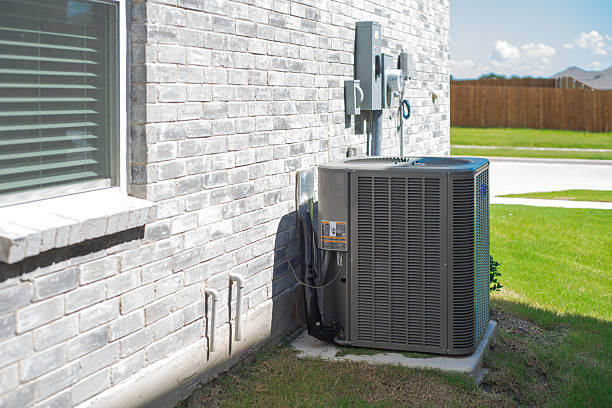
Perth’s summer conditions place consistent pressure on cooling systems across residential, commercial & industrial properties. High outdoor temperatures, extended operating hours, dry heat, roof cavity heat, solar exposure & coastal air can all affect system performance. For property owners, builders, facility managers & business operators, climate-specific design is essential when planning Air conditioner installation for long-term durability, efficiency & comfort.
A system that performs well in mild weather may struggle during Perth heatwaves if it is incorrectly sized, poorly positioned, or installed without considering building orientation, insulation, airflow & outdoor unit exposure. Careful planning helps ensure that an Air Conditioner Perth system can operate reliably when cooling demand is highest.
Why Extreme Heat Requires a Different Installation Approach
In high-temperature regions, air conditioning systems work harder because the outdoor condenser must release heat into already hot air. This places added load on the compressor, fan motors, electrical connections & refrigerant system.
A Perth installation should consider:
Heat load from windows, roofing & building materials
Room size, ceiling height & insulation quality
Direct sun exposure on external walls
Outdoor unit placement & airflow clearance
Electrical capacity & circuit protection
Long-term maintenance access
Coastal corrosion risks in some Perth suburbs
These factors influence how well the system performs during peak summer demand.
System Sizing for High-Temperature Performance
Correct system sizing is one of the most important parts of climate-specific design. An undersized unit may run continuously without achieving the required temperature, while an oversized unit may cycle too frequently, increasing wear & reducing humidity control.
A suitable system assessment should consider the full heat load of the property, not just the floor area. Large windows, west-facing rooms, poor ceiling insulation, open-plan areas & commercial equipment can all increase cooling demand.
For Perth properties, system sizing should be based on practical conditions during hot periods, not average conditions alone.
Outdoor Unit Placement & Heat Protection
The outdoor condenser plays a major role in system performance. If it is installed in direct afternoon sun, a confined space, or an area with poor ventilation, cooling efficiency can drop.
A suitable outdoor unit location should provide:
Clear airflow around the condenser
Protection from extreme reflected heat
Access for servicing & cleaning
Distance from heat-emitting equipment
Stable mounting on brackets or a concrete base
Reduced exposure to dust, debris & salt air where possible
Good placement helps protect compressor performance & supports longer equipment life.

Durability Considerations for Perth Conditions
Perth’s climate can expose air conditioning systems to heat, dust, UV exposure & coastal corrosion. These conditions can affect casings, electrical components, pipe insulation, mounting hardware & condenser coils.
Durability can be improved through suitable product selection & installation materials, including:
UV-resistant pipe insulation
Weather-rated electrical components
Corrosion-resistant brackets & fixings
Correctly sealed wall penetrations
Protected refrigerant pipework
Adequate drainage for condensate systems
Suitable condenser clearance for cleaning
These details help reduce breakdown risk & support consistent cooling output over time.
Refrigerant Pipework & Insulation
Refrigerant pipework must be installed correctly to maintain system efficiency. In extreme heat, exposed or poorly insulated pipework can reduce performance & place unnecessary strain on the system.
Good installation practice includes correct pipe sizing, secure routing, insulated suction lines, protected outdoor sections & neat wall penetrations. Pipework should also be positioned to minimise heat exposure where practical.
For split systems, multi-head systems & ducted systems, pipe length, elevation & manufacturer specifications should be followed closely.
Ducted System Design in Hot Regions
Ducted air conditioning systems require careful planning in Perth because roof spaces can become extremely hot during summer. Poorly insulated ducts, air leaks & inefficient zoning can lead to energy waste and uneven cooling.
A heat-resilient ducted design should consider:
Duct insulation rating
Airflow balance
Zone control
Return air placement
Ceiling diffuser position
Roof cavity heat exposure
Sealing of duct joins
Access for maintenance
The goal is to reduce cooling loss before air reaches each room.
Electrical Capacity & System Reliability
Extreme heat can increase electrical demand across a property, especially when multiple appliances, commercial equipment, lighting & cooling systems operate at the same time. A professional installation should confirm that the switchboard, circuits & protection devices are suitable for the selected air conditioning system.
This is particularly important for larger homes, offices, warehouses, retail spaces & commercial premises where cooling demand may coincide with high operational energy use.
Maintenance Access & Long-Term Performance
A system designed for Perth’s climate should also be easy to service. Filters, coils, drains, fans, ducts & electrical components need regular inspection to maintain performance.
Poor access can make maintenance more difficult, which may lead to reduced airflow, blocked drains, dirty coils & higher operating costs. During installation, access should be planned for both indoor & outdoor components.
Coastal & Dust Exposure in Perth
Some Perth suburbs face added exposure from salt air, wind, sand & dust. These conditions can affect outdoor condenser coils, fan components & mounting hardware. Properties near the coast may benefit from corrosion-resistant equipment options, suitable condenser positioning & more frequent maintenance.
Dust exposure can also affect airflow, especially where outdoor units are installed near driveways, gardens, construction areas or commercial yards.
Improving Performance During Heatwaves
Air conditioning performance during heatwaves depends on both the system and the building envelope. Even a well-installed system may struggle if the building allows excessive heat gain.
Performance can be supported by:
Ceiling insulation
Window shading
Sealing air gaps
Reducing direct afternoon sun
Using zoning correctly
Keeping filters clean
Maintaining outdoor unit airflow
Scheduling servicing before summer
These measures reduce system load and help maintain stable indoor temperatures.
Why Professional Installation Matters
Professional planning helps ensure the system is selected, positioned & installed for Perth’s climate conditions. This includes correct sizing, manufacturer-compliant installation, refrigerant handling, electrical safety, drainage, commissioning & performance testing.
A well-planned Air conditioner installation can improve cooling reliability, reduce energy waste & extend system life in high-temperature regions.
For homeowners & businesses comparing options, choosing an Air Conditioner Perth solution should involve more than selecting a unit. It should include climate-specific design, durable installation materials, suitable placement & long-term service planning.
Conclusion
Extreme heat conditions require air conditioning systems that are designed for performance, durability & reliable operation. In Perth, this means careful system sizing, outdoor unit placement, pipework protection, duct design, electrical suitability & maintenance access.
By planning around Perth’s climate, property owners can reduce system strain, improve cooling performance & support long-term equipment reliability during the hottest months of the year.