
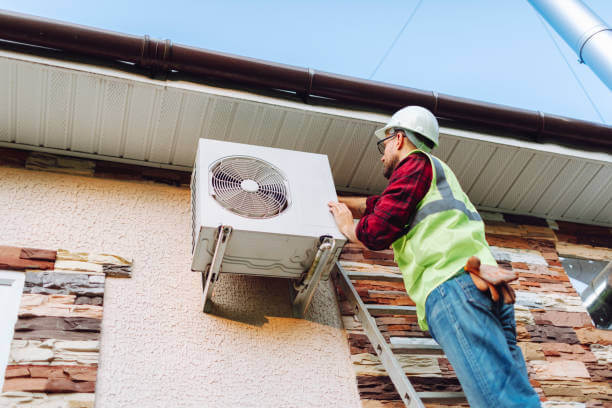
In Perth, air conditioning can be expensive to run if the system is oversized, inefficient, poorly maintained, or used without basic control settings. When we match capacity to the space, select an efficient unit, and run it with sensible temperature targets, operational costs are typically manageable for most households and workplaces. For customers planning for an air conditioner installation Perth, the running cost conversation should start with unit efficiency, correct sizing, and how the building holds temperature.
What drives air conditioning running costs in Perth?
1) Unit type & efficiency rating
Running cost is mainly determined by how many kilowatt-hours (kWh) the system uses to maintain set temperature. Higher efficiency models generally deliver more cooling per kWh, which reduces operating cost over the season. The label to focus on is the efficiency rating (and, where provided, seasonal performance indicators), not only the purchase price.
2) System sizing (the biggest cost lever)
Oversized systems cycle on/off frequently, wasting energy and creating inconsistent comfort. Undersized systems run continuously and still struggle on hotter days. Correct sizing based on room volume, insulation, window area, and heat load keeps kWh usage predictable.
3) Perth climate & heat gain
Perth’s hot spells increase heat gain through roofs, western-facing windows, and unshaded glass. If the building absorbs heat all day, the air conditioner must remove that stored heat for hours, which lifts running cost. Shading, curtains, and ceiling insulation can reduce demand before the system even starts.
4) Tariffs, usage patterns, & peak demand
Costs vary by electricity plan and when the system runs. Late-afternoon and evening usage during hotter periods can push daily consumption higher, particularly if multiple rooms run at once. The practical takeaway: control runtime, close off unused areas, and avoid cooling empty spaces.
5) Installation quality (often overlooked)
Even an efficient unit can cost more to operate if installation details are wrong. Refrigerant charge, pipe runs, airflow, drain fall, and placement of indoor/outdoor units all affect performance. Quality installation helps the unit reach set temperature faster and maintain it with less effort.
Typical usage scenarios (what “expensive” usually means)
Occasional use: one room, short periods
If we cool a single living area for a few hours on warmer days, costs are usually modest, especially with a modern inverter split system and basic shading.
Regular family use: afternoons + nights
This is where cost sensitivity increases. Cooling high-use zones (living area and main bedroom) is often more cost-effective than running multiple rooms continuously. Zoning decisions matter more than the unit’s headline price.
Whole-home or multi-room use
Ducted or multiple splits can be economical when designed properly, but the risk of higher bills increases if we cool the entire home regardless of occupancy. Controls, zoning, and sealing gaps become essential.
Small business use: long operating hours
Commercial settings often run systems for extended hours, so efficiency and maintenance have a larger impact. Selecting a system built for duty cycle, and maintaining filters and coils, protects operating cost and reduces downtime risk.

Practical ways we reduce running costs (without sacrificing comfort)
Set realistic temperatures
A moderate set point reduces workload. Extremely low temperatures force continuous operation, especially during heat events.
Use zoning & close doors
Cool the spaces in use. If the air-conditioned area doubles, the load typically rises significantly.
Improve airflow & keep filters clean
Dirty filters restrict airflow, so the unit works harder for the same outcome. Simple filter cleaning can protect efficiency.
Control sun exposure
Close blinds on western windows, add external shading where possible, and manage internal heat sources (ovens, dryers, high-heat lighting) during peak times.
Maintain the system
Servicing supports heat exchange performance and helps catch issues like blocked coils, fan problems, and control faults that raise consumption.
Choosing the right system to manage costs in Perth
When comparing options, we should prioritise:
- Correct capacity for the zones we actually cool
- High-efficiency inverter technology for variable demand
- Good airflow design (especially for open-plan living)
- Controls that support scheduling and zoning
- Installation standards that protect performance over time
A reputable air conditioning company Perth should be able to explain capacity selection, expected usage assumptions, and what design choices keep bills under control.
Conclusion
Air conditioning is not automatically expensive to run in Perth—costs rise when demand is high and the system, building, or usage settings are working against us. If we size the unit correctly, reduce heat gain, maintain airflow, and cool only the zones in use, we can keep operational costs predictable across summer. For planned air conditioner installations, choosing the right unit and design upfront is usually the fastest path to lower running costs. If we need guidance on selection, design, or maintenance expectations, working with an experienced air conditioning company in Perth helps align comfort outcomes with budget control.